Sunday, 13 March 2011

Battleship Potemkin

Wow, truly amazing sequence from Sergei Eisenstein's timeless classic, Battleship Potemkin.

Obviously this is the Odessa steps part and watching it all the wya through it is pretty phenomenal piece of film making.

The wide angle shots of the crowds combined with close up reaction shots of the horror unfolding makes for a great scene.  The cutting is quite fast and it's probably one of the earliest examples of action cutting.  The baby rolling down the steps is a perfect example of keeping the line of action continuous and also cutting on the action is evident throughout.

Thursday, 10 March 2011

Errrrr transitions

Movie transistions, hmm, not quite sure what to make of these.

To me they seem such a tool for the complete novice/amateur/11 year old.  It's something I used to do as a kid with windows movie maker, editing videos of me and my friends riding bikes.  Star wipe has become a bad phrase to use.  See here for some yellow comedy.

You don't really see many glaring transitions in films these days, unless it's for an obvious effect.  Star Wars for example is known for having various wipe effects throughout the series.

I'm going to look more into it but the more I think about it, the less real transitions effects are used in today's cinema.  Like I said, unless they are going for an obvious effect, the most commonly used transition between scenes is a simple dip to black...

Thursday, 3 March 2011

Wicked match cutting!

Opening scene from Orson's "Citizen Kane".

It's overrated for me, I never really saw the appeal, but here it is anyway: Click

The matching cut is the window which is in the same place for each cut and eventually we see into it and go through it and into Kane's bedroom.

Sunday, 27 February 2011

Hairy arm

Just a quicky.
Discovered a new editing term today: Hairy arm

This is when an editor deliberately leaves in a glaring mistake when previewing a movie to distract the audience away from any subtle mistakes.

That's it!

Editors at the top of their game

To give some scope and recognition to my project I have decided to do some research into famous and successful editors and their particular work.

Dede Allen
Worked on such films as Dog Day Afternoon, Bonnie and Clyde and Serpico.
Here is a clip of her excellent work from the film, Bonnie and Clyde.


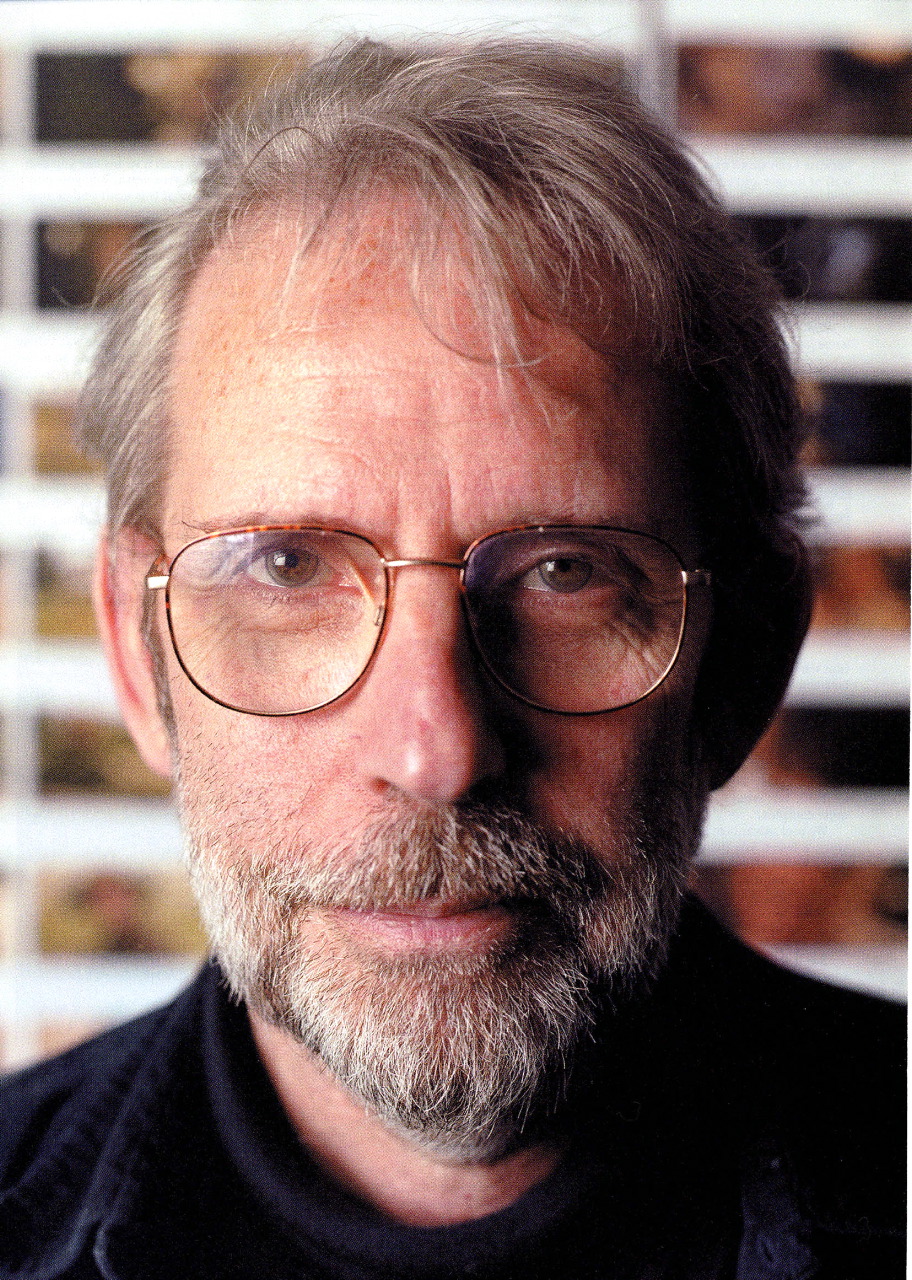
Walter Murch
A rather interesting character, Murch does all his editing standing up, comparing it to a conductor guiding an orchestra.  Murch also specialises in sound, winning the Sound Mixing Oscar in 1979 for his work on Apocalypse Now, which he also edited.  Murch has used a number of editing systems throughout the years, earning Oscar nominations for four films, using four different systems.
Here he is discussing the Rule of Six.
And here is some of his work from The English Patient
 
Thelma Schoonmaker
One of my personal favourite directors as her work is so recognisable and she collaborates with Martin Scorsese so often, Thelma has won 3 Academy Awards for editing.  Thelma often employs a change of speed in her editing.  This is perhaps most noticeable in Raging Bull.  Along with Scorsese's directing style, Thelma also employs a technique of long cutting, letting shots runs for perhaps longer than average without cutting.  As I've stated though, this is a case of the director and editor working in tandem to achieve this.  Here it is in Gangs of New York.

Saturday, 26 February 2011

L cuts

I discovered 'L cuts' today.

L cuts are a type of edit in which audio is brought in ahead of video.  This is done for a number of reasons and again is one of those simple types of edits which I've discovered has a proper history and
tecnhique to it.  I've often used an L cut without realising why I've done it, or even knowing that it had a correct name.  It's called an L cut because of the shape it makes on an editing timeline.

Here are some videos explaining L cuts.
Video
Another video

A major reason we do 'L cuts' is because we need to see reactions to people talking.
Another way of L cutting is when switching scenes completely.

Example: 
2 people are in an office discussing the qualities an interviewee. CUT TO: Interviewee walking down the street while the audio of the 2 people discussing him plays over his journey.

Tuesday, 22 February 2011

I can feel my mind getting bigger

I was unsure at first about choosing editing for a craft to develop.  Now I've been into it for a few months though I'm really starting to enjoy it and I'm getting a much greater knowledge of editing.  This also gives me a better understanding of how a film is put together and how editing can impact a film greater than any other area.  A film is not a film until it is edited and an editor, as well as the director of course, has a huge influence of how the film looks.